PLANT PROFILE
Silvervine (Actinidia polygama) has potent effects on cats. Also known as Matatabi in Japanese, it is a species within the kiwifruit family.

Stronger than catnip?
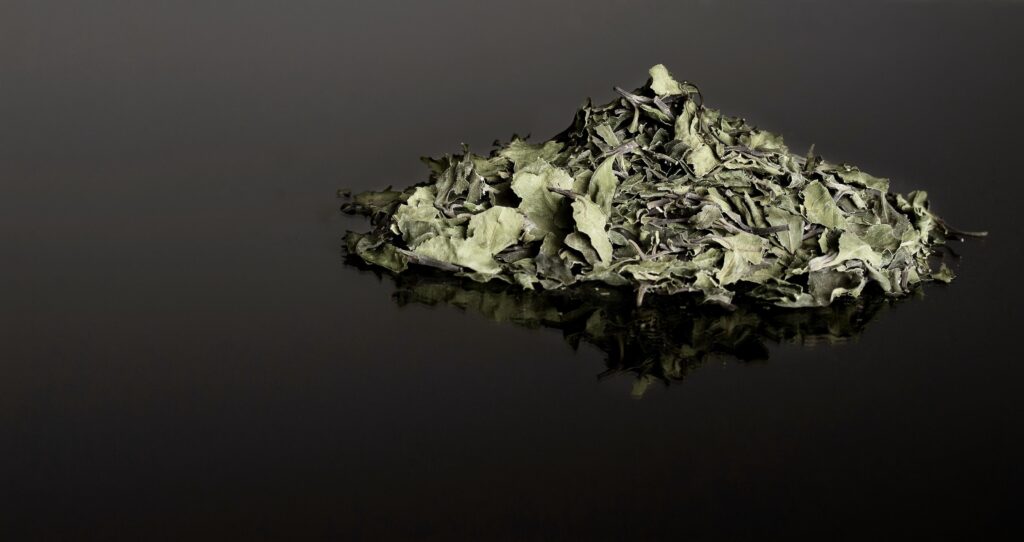
Silvervine (Actinidia polygama) is a deciduous, twining woody vine native to Eastern Asia, including Japan, Korea, and parts of China. It is a close relative of the Kiwi fruit that is also grown for its edible fruit, which have a similar flavour but with spiced, peppery overtones. Curiously, in addition to its culinary value, dried sticks from the Silver Vine plant have a catnip-like effect with house cats, which can affect cats that generally don’t respond to catnip.
Why only sifted leaves not sticks?
Safety?
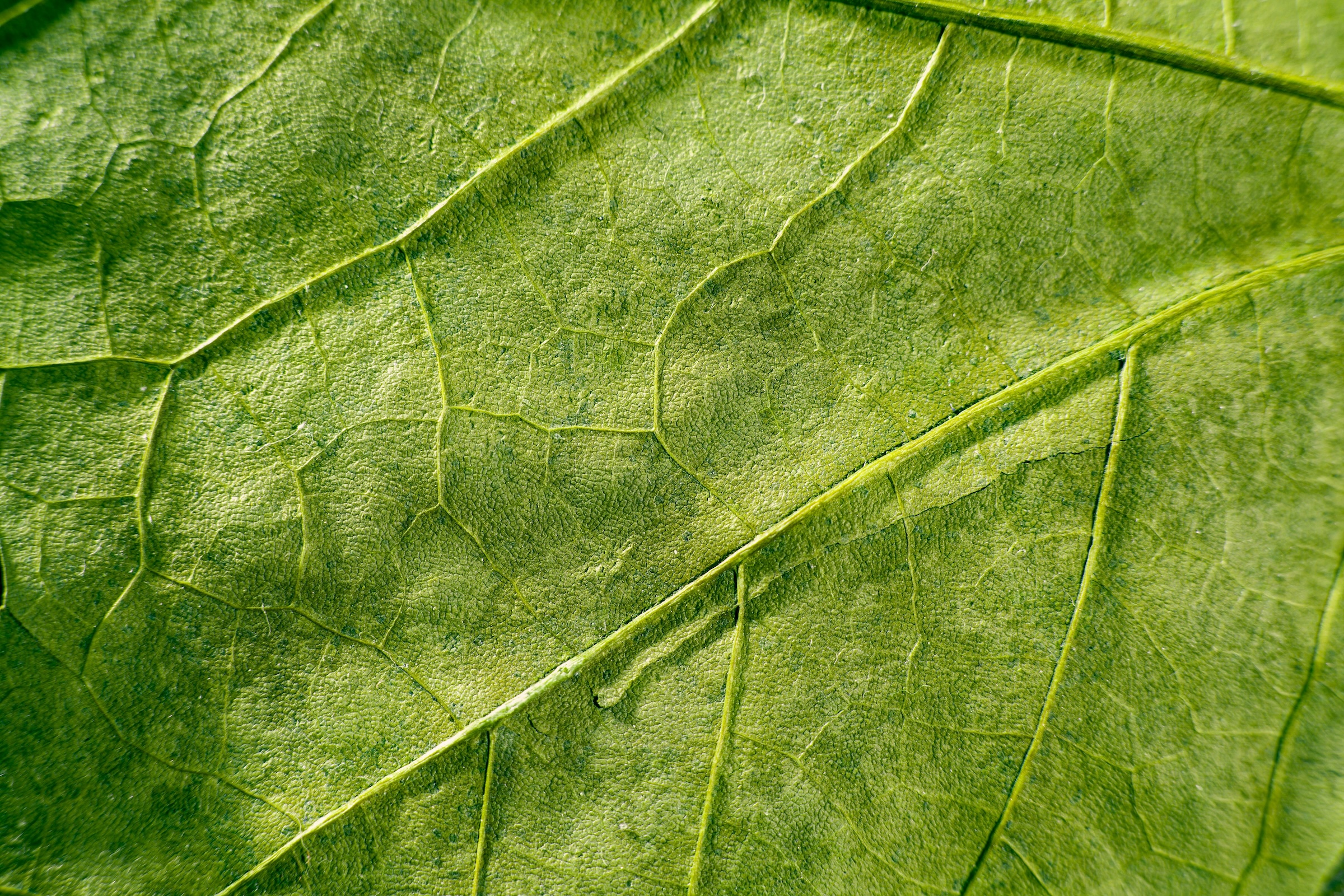
As a twining vine, Silver Vine needs a structure to climb in the garden like a pergola, lattice, fence, or tree. Silver Vines can grow to reach thirty feet wide, but can be easily maintained by selective pruning. Heart-shaped foliage is quite showy and occasionally the plant will produce leaves with white patches. This species prefers well-drained soil and full or partial sun, regular moisture, and occasional feeding with a balanced fertilizer or compost.
Why Cats Love It
Silvervine releases natural chemical compounds that mimic feline pheromones. When a cat inhales them, it stimulates their sensory neurons, releasing natural endorphins that give them a feeling of pleasure. Silvervine contains multiple active compounds, which is why it often works on cats that are entirely immune to traditional catnip.

Silvervine is a natural plant stimulant that triggers a safe, temporary euphoric “high” in cats. Similar to catnip, but often more potent, it causes cats to roll around, rub their faces, drool, and alternate between hyperactivity and sedation.
Beyond just fun, silvervine offers several practical health and behavioural benefits:
What the “High” Looks Like: When a cat encounters silvervine, the reaction typically lasts between 5 to 30 minutes.
Behaviors include: The Matatabi Dance: Rolling, wiggling, and flipping around on the ground.
Rubbing & Licking: Chewing, licking, or rubbing their faces and chins on the silvervine.
Energy Shifts: Some cats become hyperactive and playful, while others become deeply relaxed or sedated.
Drooling: A very common, normal side effect of euphoria and pleasure in cats.
Stress and Anxiety Relief: It acts as a natural calmative, making it useful during stressful events like vet visits or moving.
Encourages Exercise: It is great for sedentary or older cats, sparking bursts of energy that help them play and be active.
Safety & Best Practices: Silvervine is completely safe, non-toxic, and non-addictive for felines. However, there are a few things to keep in mind.
Dosage: Limit playtime to about 30 minutes, and only offer it 2 to 3 times a week to prevent your cat from getting desensitized to it.
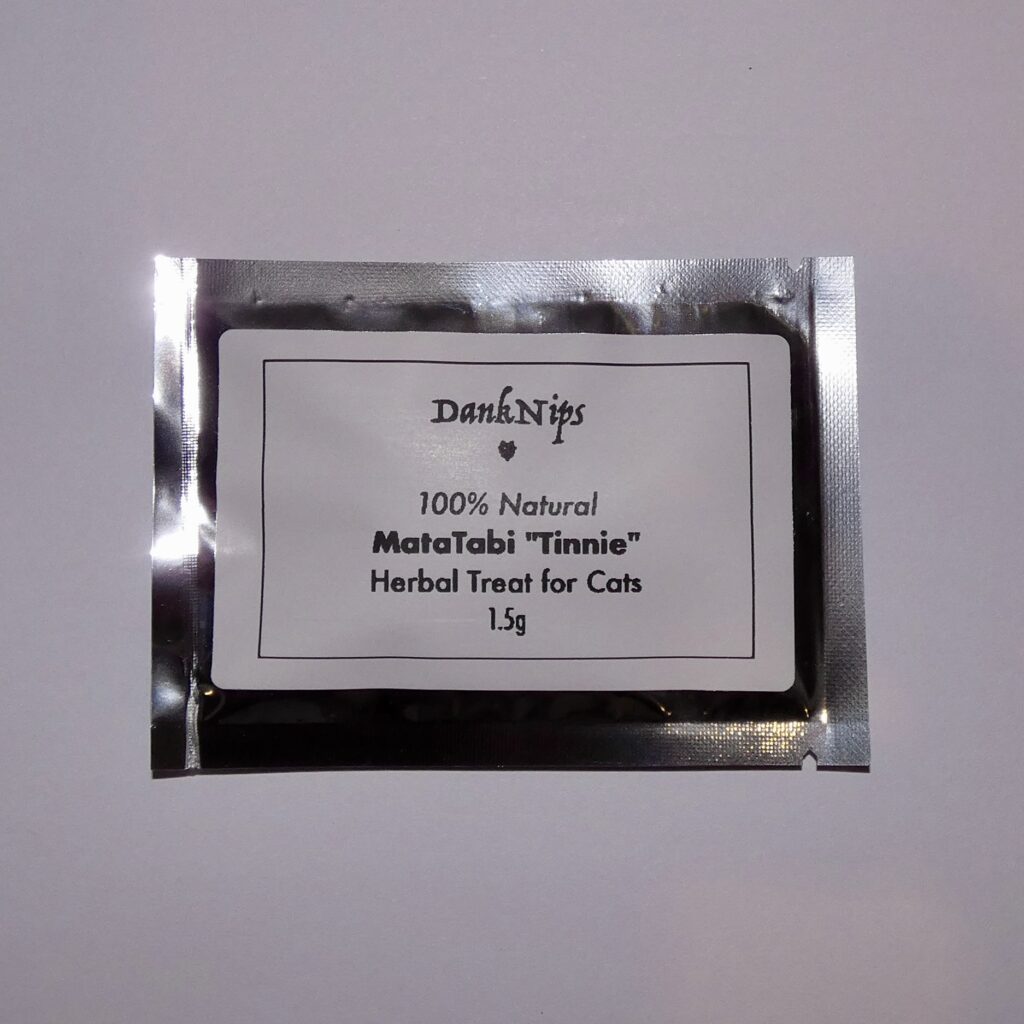
MataTabi “Tinnie” 1.5g
Purr-fectly dosed silver vine with a sprinkling of seaweed for additional sensory intrigue with dental and nutritional benefits.
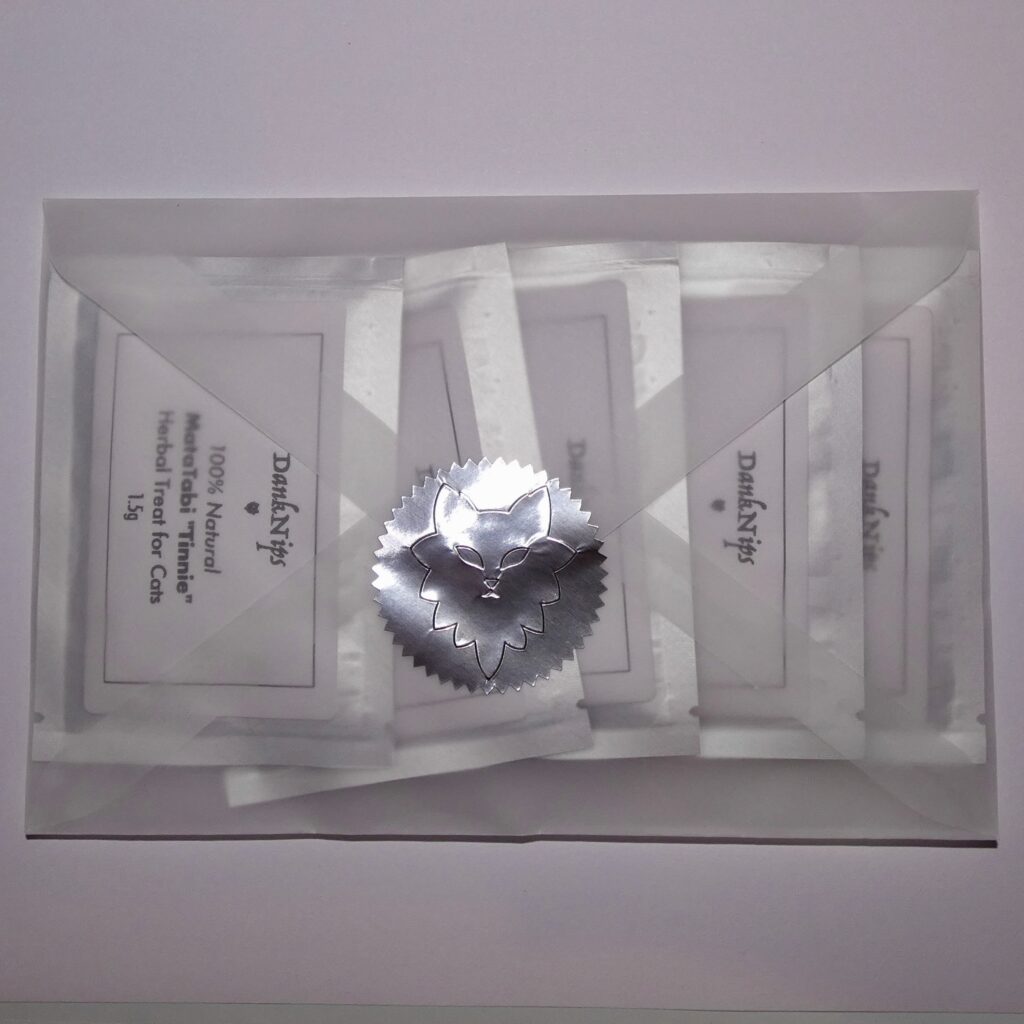
MataTabi “Tinnie Set” 5x 1.5g
Set of five MataTabi “Tinnie” herbal treats (save 15%!) Each “Tinnie” is 1.5 grams, RRP $19.99 each, making the set worth $99.95.
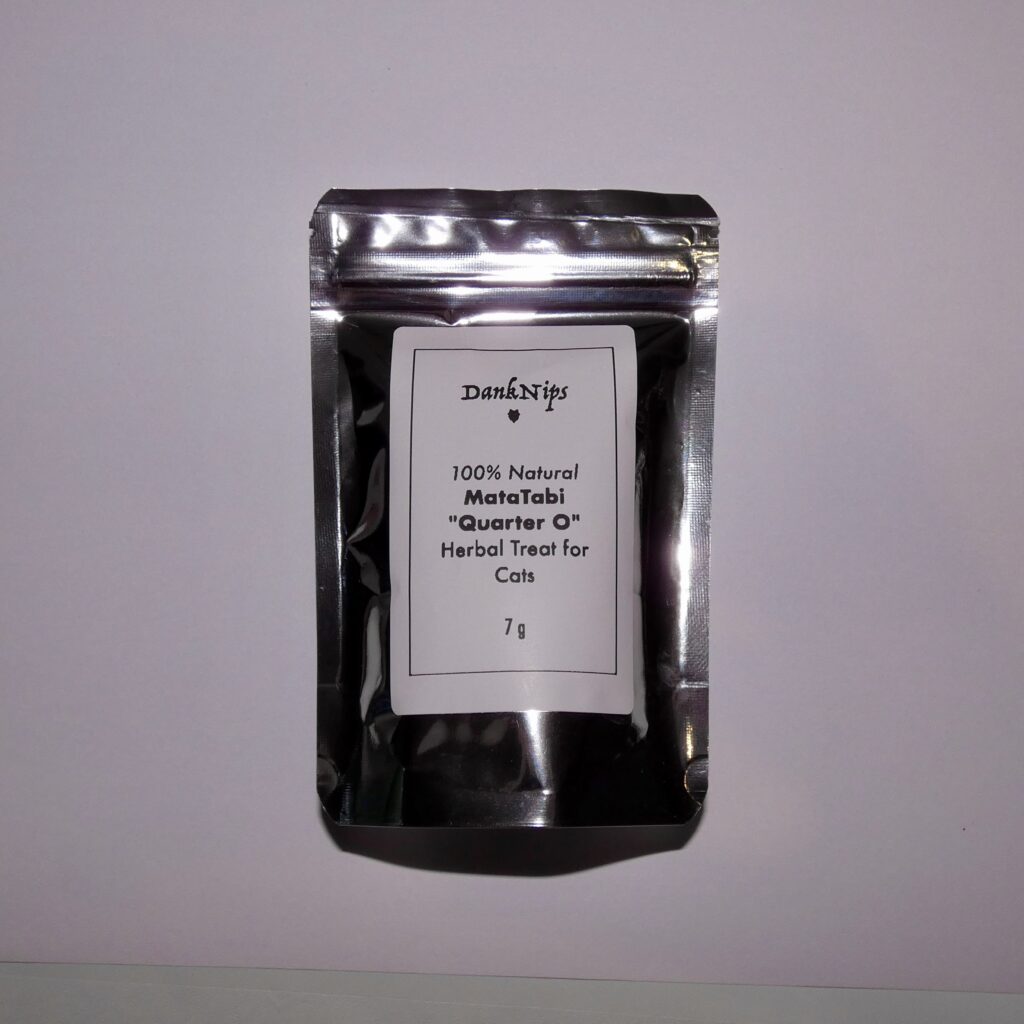
MataTabi “Quarter O” 7g
Our larger size featuring silver vine leaf with a sprinkling of seaweed for additional dental and nutritional benefits.
Natural, Safe, Effective
Inspired by nature. Proven by science.
See the studies that inspired DankNips Get your favorite vinyl at record-breaking prices.