
Plant Profile
Catnip (Nepeta cataria)
Nepeta cataria, commonly known as Catnip is thus named because of the renowned attraction cats have to it and the effect it has on around two-thirds of cats.
Its effects on cats have been known to science since the 1700s. But modern research has revealed exactly how it works.
Catnip contains an organic compound called nepetalactone that mimics feline pheromones, triggering a harmless, short-lived “high” in about 70% of adult cats. Reactions usually last 10 to 15 minutes and can include rolling, rubbing, purring, drooling, or bursts of hyperactivity.
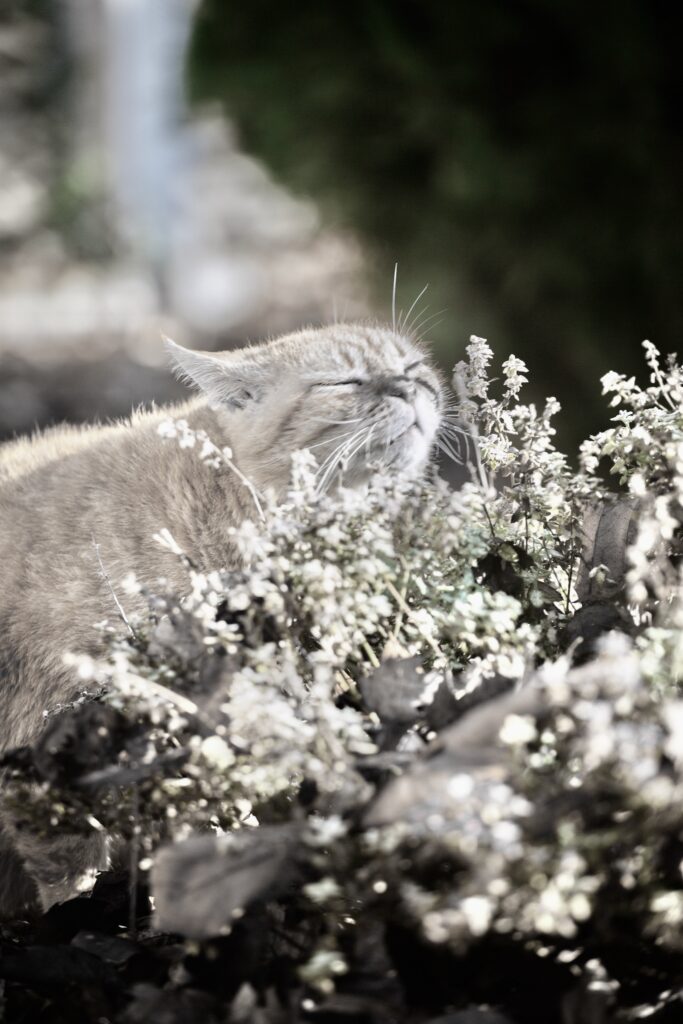

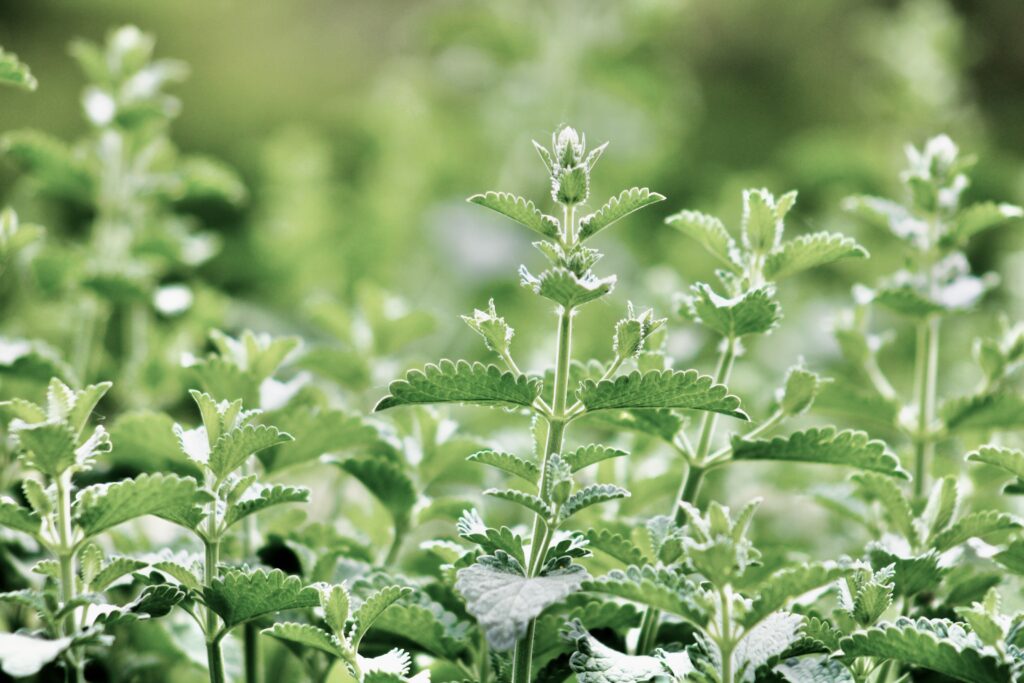
Is Catnip the same as Catmint? They are two distinct genus, the main difference between the two beign that catmind is more ornamental and less fragrant because it contains less of the compound. Therefore we use only Catnip in DankNips.
The catnip plant’s Latin name is nepeta cataria. It is actually a member of the mint family, which is why it is sometimes referred to as catmint. It is native to Europe, Asia and Africa. It was later brought to North America and now grows as a weed on all these continents.
The plant contains nepetalactone in its leaves and stems, which acts as a stimulant to 65-75% of cats.

Benefits of Catnip in Moderate Amounts:
Encourages Hunting Behaviour
Catnip can stimulate a cat’s natural hunting instincts. Cats that play with catnip often engage in stalking, pouncing, and chasing behaviours, which mimic hunting. This provides important mental stimulation and allows your cat to express natural behaviours. It can promote exercise and improve overall health, especially for indoor cats that may not have access to outdoor space.
Stress Relief
Catnip can help reduce stress in some cats. The stimulating effects of catnip may help distract cats from stressful situations, such as visits to the vet or changes in the household
Playtime Enrichment
Catnip can also make playtime more enjoyable for cats and help strengthen the bond between you and your cat. It encourages active play and helps keep cats physically and mentally stimulated. Providing catnip brings opportunities for positive interactions and shared experiences which helps your cat stay connected with you.
Studies show catnip is beneficial to all cats regardless of how dramatically they react.
Safety Assured
Catnip is non-addictive and completely safe. However, if a cat consumes too much, it can cause mild stomach upset or diarrhoea. DankNips “Tinnies” are purr-fectly dosed for a single sensory session for your feline.
When Sniffed or Ingested
When Sniffed: Acts as a stimulant. Cats will often roll around, leap, vocalise, or become playfully hyperactive. When ingested it acts as a sedative. Ingesting catnip usually calms and relaxes them, making it helpful for reducing anxiety.
Temporary “High”
After a cat’s 10-15 minute “high,” they will become temporarily immune to the effects. It usually takes about 30 minutes for them to become responsive to it again.
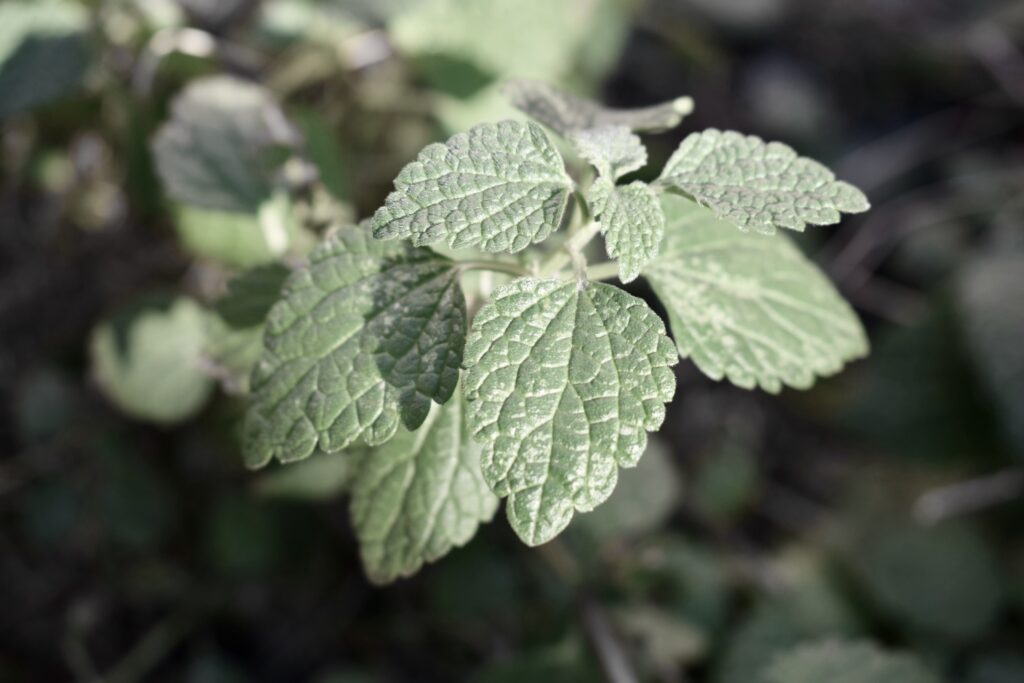
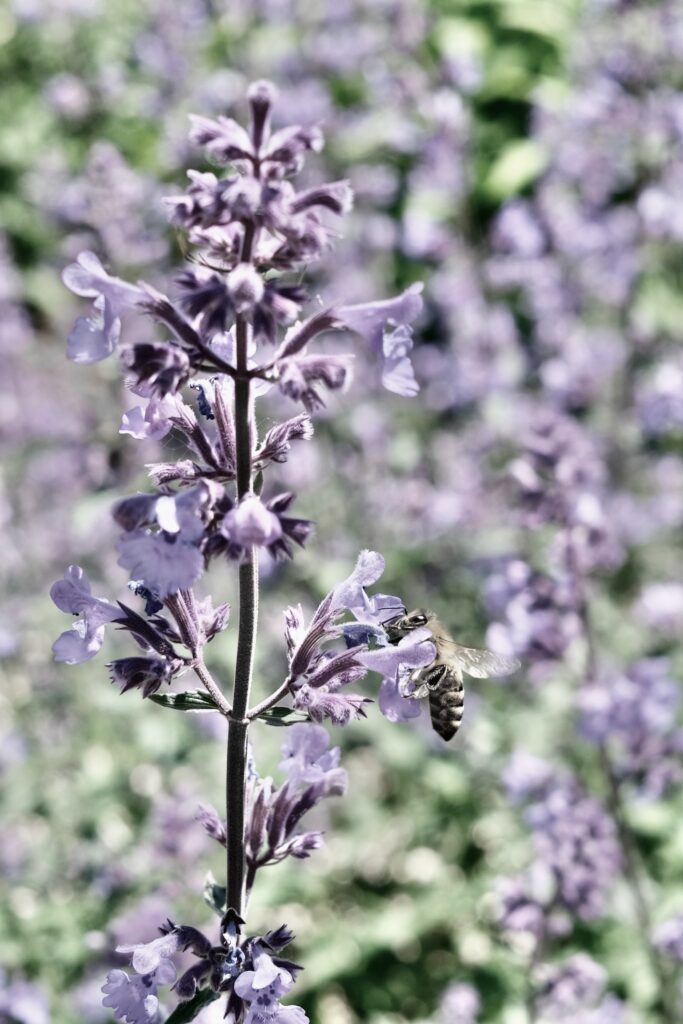
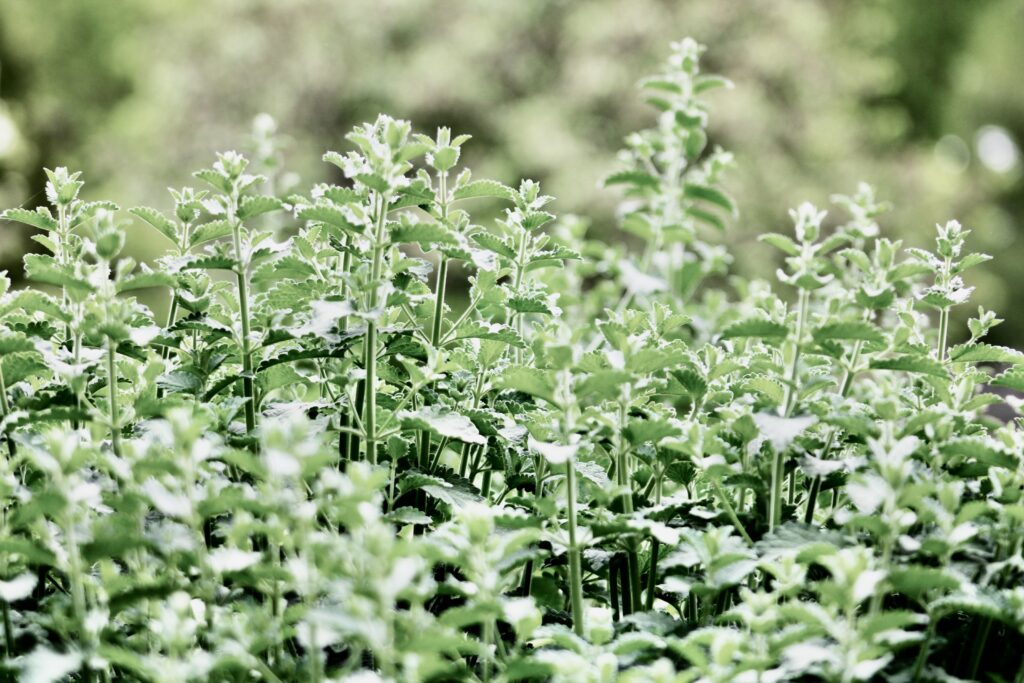
Catnip is a perennial herb and grows abundantly
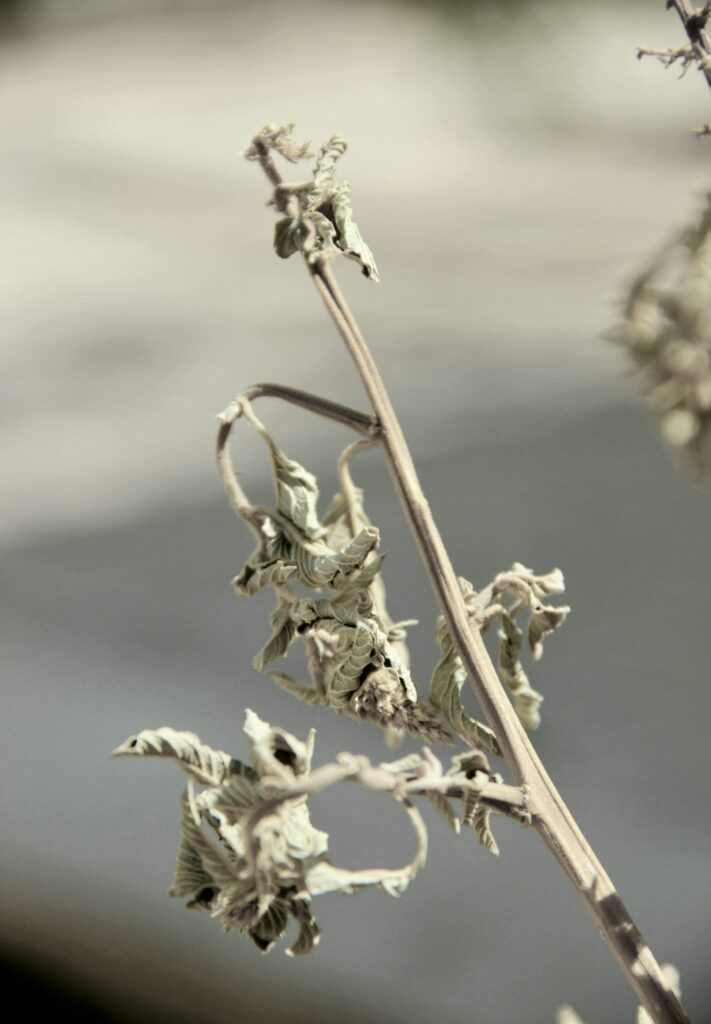
Perennials die back in the winter and regrow from their root system every spring
Catnip flower
While beautiful, it contains less actives than the leaf and stem
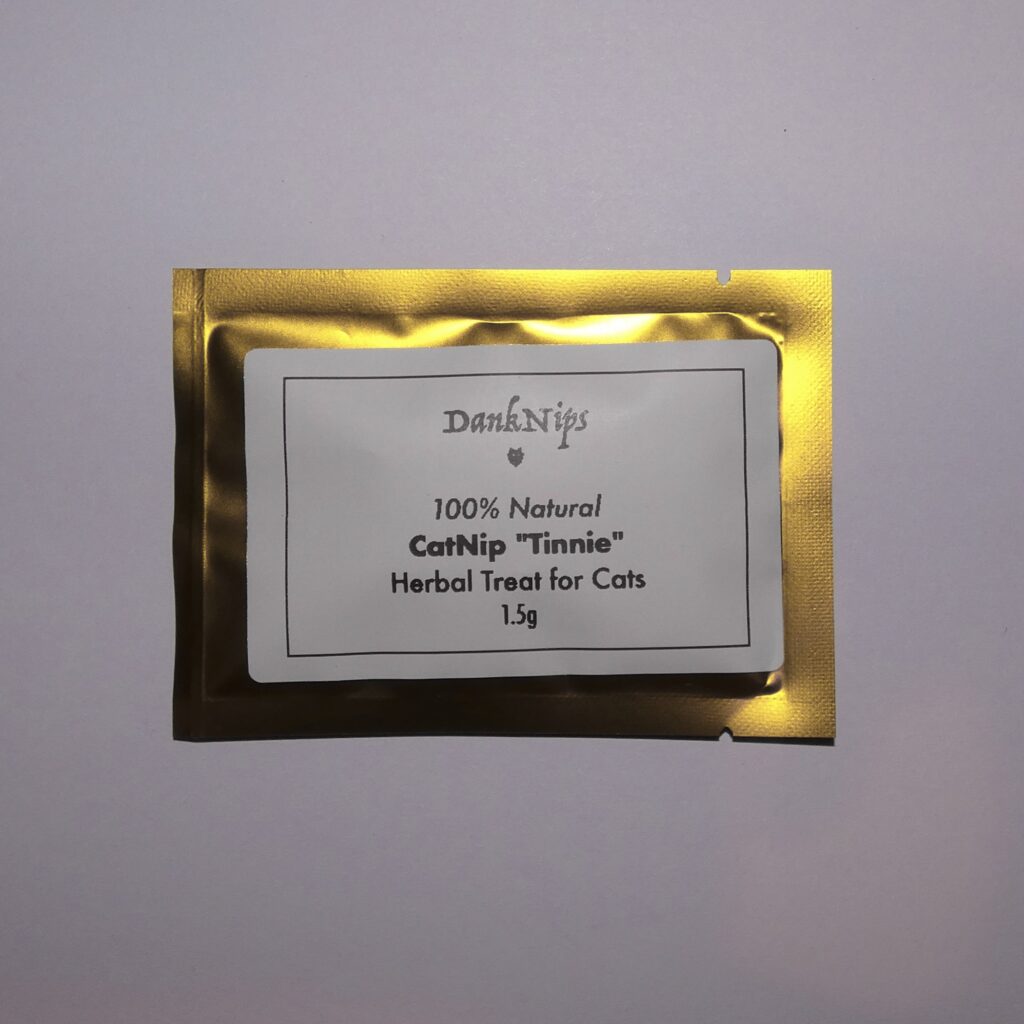
CatNip “Tinnie” 1.5g
Purr-fectly dosed USDA Certified Organic catnip with a sprinkling of seaweed for additional sensory intrigue with dental and nutritional benefits.
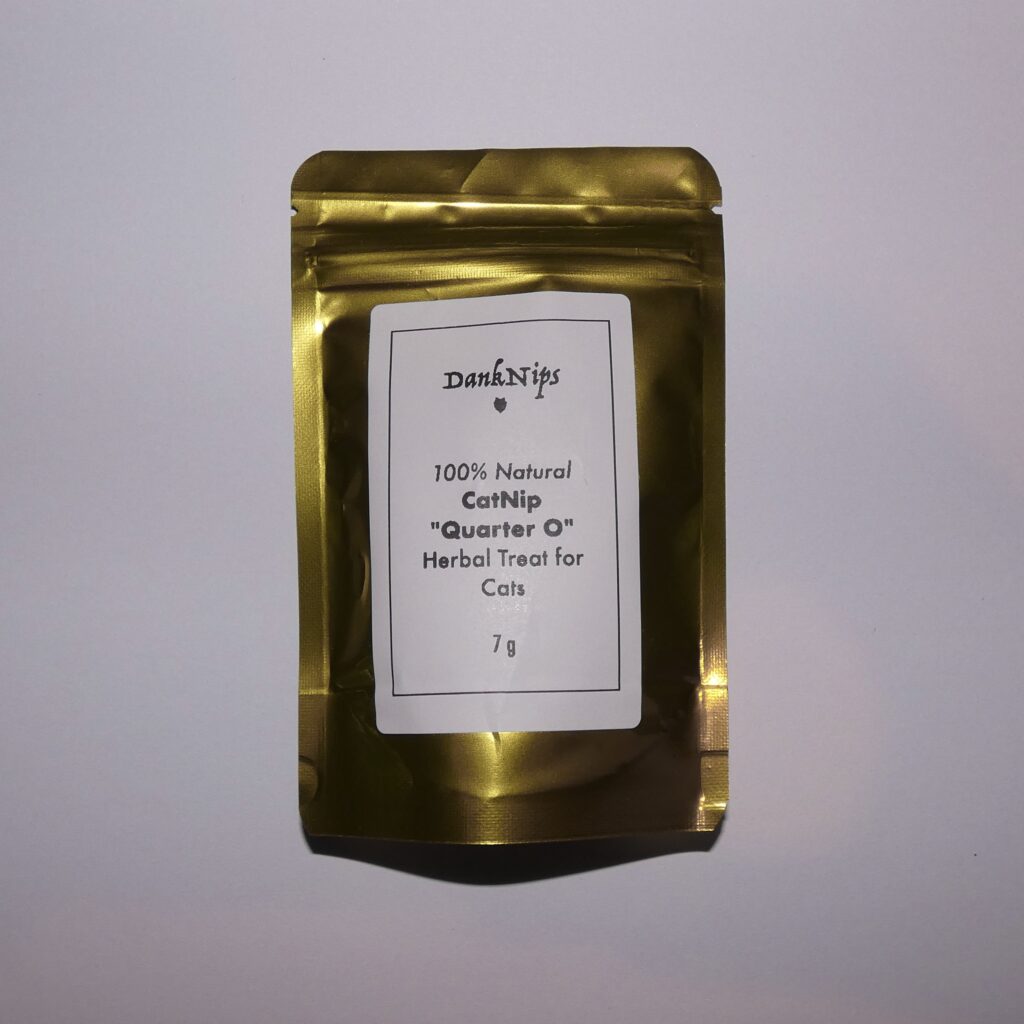
CatNip “Quarter O” 7g
Our larger size featuring USDA Certified Organic catnip with a sprinkling of seaweed for added sensory intrigue along with dental and nutritional benefits.

CatNip “Tinnie Set” 5x 1.5g
Set of five CatNip “Tinnie” herbal treats (save 15%!) Each “Tinnie” is 1.5 grams, RRP $9.99 each, making the set worth $49.95.